


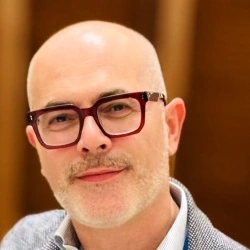
 Luca Scorrano
University of Padua, Italy
Luca Scorrano earned an MD and a PhD from the University of Padua, Italy. From 2000 to 2003, he was a HFSP postdoctoral fellow in Stan Korsmeyer’s lab at the Dana-Farber Cancer Institute, Harvard Medical School, Boston. In 2003, he was recruited by the Dulbecco-Telethon Institute, Italy, as Assistant Scientist. In 2006, he became Full Professor at the University of Geneva Medical School, Switzerland, until 2013 when he was named “Outstanding Recognition (Chiara fama)” Professor of Biochemistry at the University of Padua. From 2014 to 2020, he was Scientific Director at Veneto Institute of Molecular Medicine. Luca discovered the cristae remodeling pathway, foundational to mitochondrial dynamics. His laboratory elucidated mechanisms of cristae architecture, remodeling, and mitochondrial fusion-fission regulation. His lab revealed the impact of mitochondrial shape on bioenergetics, angiogenesis, cardiac function, adipocyte differentiation, infection, and cancer. His group identified the first molecular tether between endoplasmic reticulum and mitochondria and showed that it depends on Mitofusin 2 alternative splicing, advancing membrane contact sites research. He is an elected member of EMBO and Academia Europaea. He received several awards, including the 2006 Eppendorf/Nature European Young Investigator Award, the 2013 European Society for Clinical Investigation Award, and the 2024 International Society for Heart Research (ISHR) Research Achievement Award.
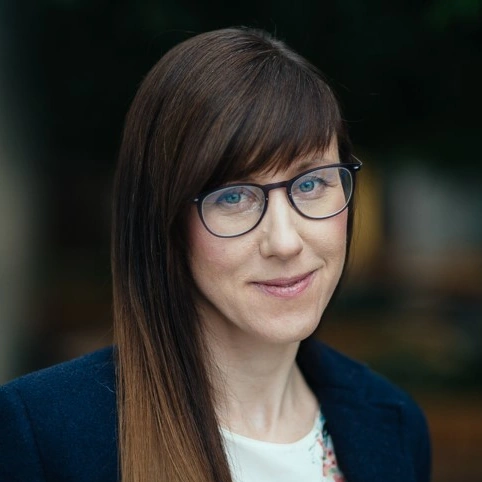 Joanna Sułkowska
University of Warsaw, Poland
Joanna Sułkowska received her PhD in biophysics from the University of Warsaw in 2007, with distinction. After postdoctoral research at the University of California, San Diego, she joined the Centre of New Technologies at the University of Warsaw, where she now leads the Interdisciplinary Laboratory for Modeling Biological Systems. She also held visiting positions at MIT and the California Institute of Technology. She specializes in structural biology, focusing on the theoretical and experimental study of protein free energy landscape and topology. Sułkowska identified and characterized various forms of non-trivial protein topology, such as knots, slipknots, and lassos, and discovered new protein folds with complex topological architectures. Her research also includes work on GPCR-type proteins. She has authored over 90 publications in journals. Sułkowska has received numerous honors, including the EMBO Installation Grant, EMBO YIP, the UNESCO–L’Oréal “Rising Talent” award, and the National Science Centre Award in Life Sciences Poland and Fulbright STEM. She was named “Person of the Year” by RMF Classic (MocArty).
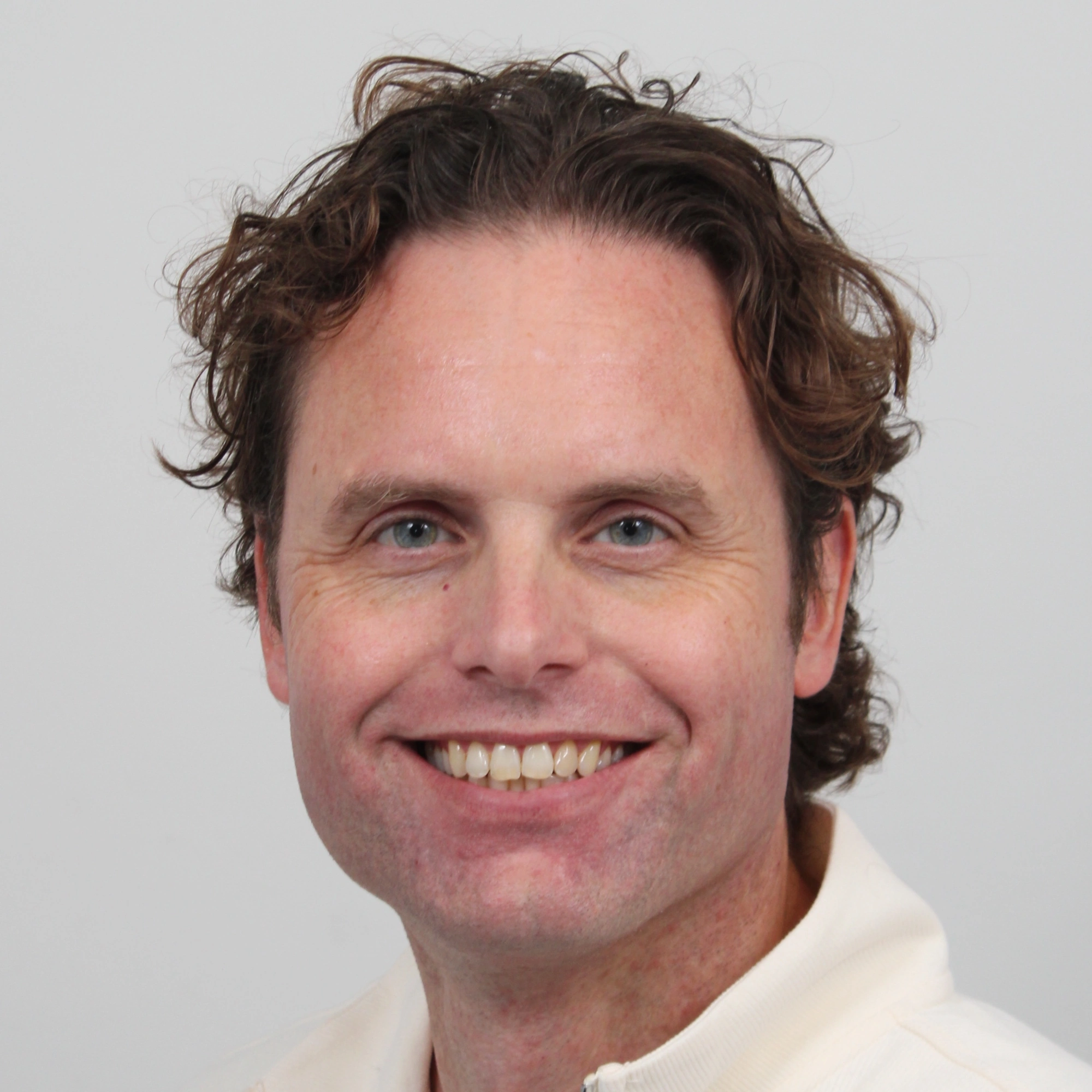 Tom F.A. de Greef
Eindhoven University of Technology, Netherlands
Tom F.A. de Greef is Full Professor of Synthetic Biology in the Department of Biomedical Engineering at Eindhoven University of Technology (TU/e), Netherlands, where he leads research at the intersection of synthetic biology, molecular computing, and engineered living systems. He received his MSc degree cum laude in 2004 and his PhD in 2009, both in Biomedical Engineering from TU/e. His research group develops next-generation living technologies focusing on DNA-based data storage, biological computing devices, synthetic cell engineering, and mammalian synthetic biology. Notable contributions from his laboratory include the development of thermoresponsive microcapsules enabling reliable random access to DNA-encoded information for sustainable data storage, and the engineering of scalable synthetic communication platforms in mammalian cells using designed coiled-coil peptides for programmable cell-to-cell signaling with applications in cell therapeutics. De Greef has published over 100 peer-reviewed articles in leading journals and has secured multiple Dutch Research Council grants (VENI, VIDI, VICI) and European Research Council (StG and CoG) grants. He is the recipient of the 2017 Cram-Lehn-Pedersen Prize in Supramolecular Chemistry and the 2022 Groundbreaking TU/e Researcher Award, and was appointed Fellow of the Netherlands Academy of Engineering in 2024.
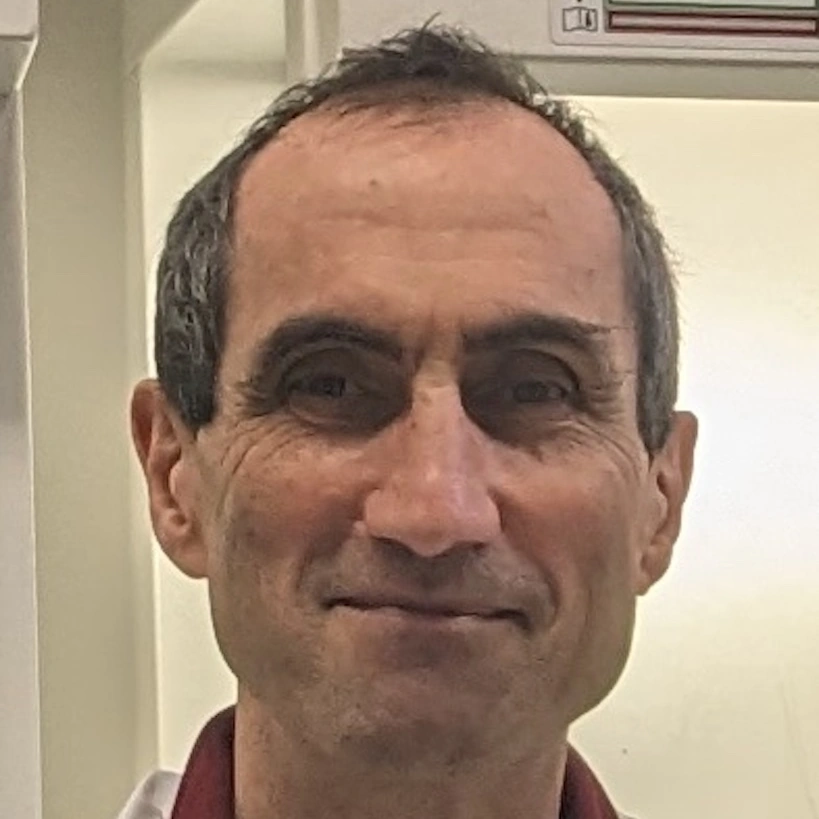 Philippe Glaser
Institut Pasteur, France
Philippe Glaser is a Professor at the Institut Pasteur in Paris, France, and heads the Ecology and Evolution of Antibiotic Resistance Unit. He is an expert in bacterial genomics and the evolution of antibiotic resistance. He is renowned for his genomic epidemiology studies of Group B Streptococcus (GBS), in both humans and animals. He has demonstrated that the widespread use of tetracycline from the 1950s onwards led to the emergence of neonatal GBS infection in both Europe and the US. He is deciphering the evolution and dissemination of carbapenemase and ESBL-producing Escherichia coli and Klebsiella pneumoniae. His multidisciplinary One Health research ranges from field investigations to insights into mechanisms.
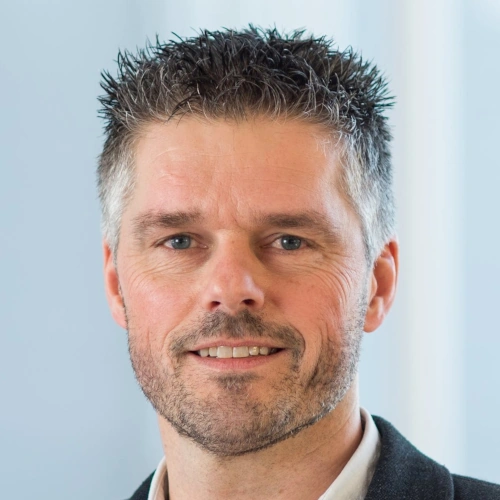 Alain van Gool
Radboud University Medical Center, Netherlands
Alain van Gool is Professor of Personalized Healthcare at the Radboud University Medical Center, with a strong passion for the application of biomarkers in translational medicine and personalized healthcare. After his study (biochemistry, 1991) and PhD (molecular biology, 1996) Alain worked at a mix of academia, pharmaceutical industries (Organon, Schering-Plough, MSD), applied research institutes (CancerUK, TNO) and university medical centers (Radboudumc) in Europe, Asia and USA. He has been leading technology-based biomarker laboratories, cross-functional expert teams, therapeutic project teams and public-private consortia, many of which were focused on the discovery, development and implementation of translational biomarkers in a variety of therapeutic areas. His technical expertise resides most strongly in molecular profiling (various Omics approaches), analytical biomarker development, and applications in translational scientific research. Alain currently coordinates several biomarker/omics/data/AI programs as part of the department of Human Genetics including Lead PI of the Netherlands X-omics Initiative, Domein Leader MedTech & Data Sciences of Radboudumc’s Research Institute for Medical Innovation, Chair of the Data & AI board of Radboudumc, Co-coordinator of the Radboudumc Technology Centers, Scientific director of the Radboud Healthy Data program, Lead of the sectorplan team on AI, e-health and medical technology, Co-coordinator of the NWO Large Scale Research Infrastructures group Life Technologies & Enabling Technologies, Chair of the Biomarker Platform of EATRIS (the European Infrastructure for Translational Medicine). Previously, Alain co-initiated Health-RI (the Netherlands Health Research Infrastructure for Personalized Medicine and Health) and DTL (the Dutch Techcenter for Life Sciences), thus contributing to the organisation and coordination of local, national and European technology infrastructures. Complementing his daily work, he enjoys contributing to scientific advisory boards of start-up enterpreneurs, multinational companies, translational organisations, funding agencies and conference organisers.
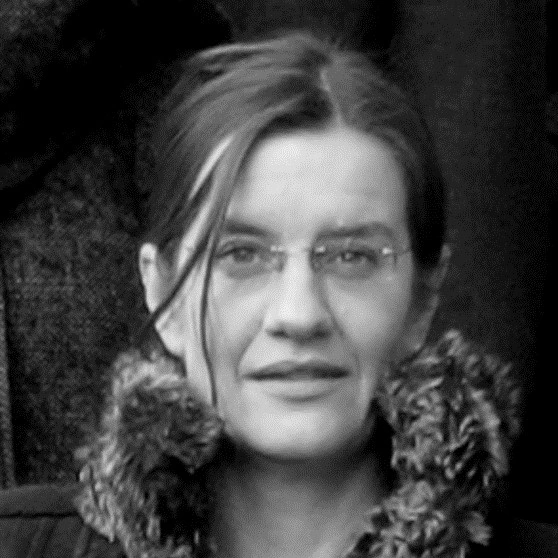 Jana Chrisopher
FEBS Press, Germany
Jana Christopher is the Image Data Integrity Analyst at FEBS Press. She has also been a freelance consultant for The Royal Society since 2019. Jana chairs the STM Working Group on Image Integrity. She is an experienced trainer who has worked with Integrity teams at eLife, Elsevier, PNAS and others, and frequently speaks to early-career scientists. Jana obtained an MA in Linguistics from Westminster University in London, UK, in 2002 and has worked in Scientific Publishing for over 20 years.
 Jason Perret
Free University of Brussels, Belgium
Jason Perret is Professor Emeritus of the Free University of Brussels (ULB) Medical Faculty, Belgium. Besides 35 years of basic and translational medical research, he also spent 4 years in industry as head of the Molecular Biology lab (Baxter Healthcare research facility in Belgium). He spent 10 years supervising and managing Biochemistry wet labs and 15 years teaching Molecular Biology to medical, biomedical and veterinary students and to Biomedical Civil Engineers. He has also supervised or co-supervised PhDs, MD clinician-researchers, and Master’s thesis. Jason is currently President of the Belgian Biochemical. He has also been with FEBS since 2003 as a member of the FEBS Education Working Group and then Committee, and thereafter actively contributing to FEBS education activities, presenting talks and workshops on various topics. Outside the lab there is a life and Jason plays music, plays tennis, nordic walking and swimming, and most of all still remains passionate about all things in life as much as possible.
 Keith Elliott
University of Manchester, UK (Emeritus)
Keith Elliott has spent 40 years teaching and researching, mainly in the areas of metabolism and enzymology at the University of Manchester, UK, developing a particular interest in education and career development. He has chaired the Education Committee and been Careers Advisor for the UK Biochemical Society. He was a founder member of the FEBS Education Committee and has run workshops on educational methods and career development in 30 FEBS countries. He has been running CV support sessions at the YSF since 2007 and was awarded the FEBS Diplôme d’honneur in 2014 for his contributions.